Learn the Qalqalah Rule in Tajweed
Qalqalah Rule in Tajweed – A Complete Guide for Quran Reciters
Among the essential rules every Quran reciter must master is Qalqalah. This rule adds a distinctive “bouncing” or “echoing” sound to certain letters when they appear with Sakin (no vowel), giving the recitation its proper rhythm and clarity as taught by the Prophet ﷺ.
What is Qalqalah?
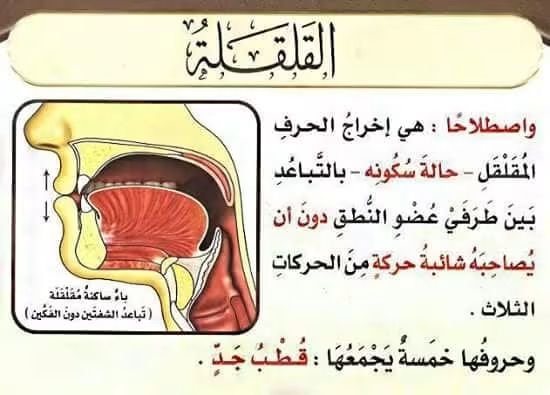
Qalqalah literally means “shaking” or “vibration” in Arabic. In Tajweed, it refers to a slight bouncing sound produced when pronouncing one of the Qalqalah letters that carries a Sakin (no vowel), especially at the end of a word or verse.
The Qalqalah Letters
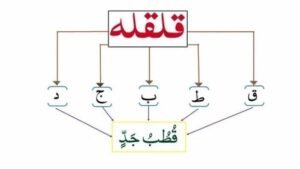
There are five letters of Qalqalah, often remembered using the phrase “Qutbu Jadd” (قطب جد):
ق (Qaf)
ط (Ta)
ب (Ba)
ج (Jeem)
د (Dal)
These letters share a common characteristic: they are all pronounced with a strong closure of the articulation point, which naturally produces a small “echo” or “bounce” when released.
Types of Qalqalah
1. Qalqalah Sughra (Minor Qalqalah)
This occurs when a Qalqalah letter with Sakin appears in the middle of a word or verse. The bounce here is light and subtle.
Example: In the word “يَدْخُلُونَ”, the letter د carries a light Qalqalah sound.
2. Qalqalah Kubra (Major Qalqalah)
This happens when a Qalqalah letter with Sakin appears at the end of a word, especially at the end of a verse (Ayah). The bounce here is stronger and more pronounced.
Example: The word “أَحَدْ” at the end of Surah Al-Ikhlas requires a clear, emphasized Qalqalah sound on the د.
How to Pronounce Qalqalah Correctly
To apply Qalqalah properly:
Bring the articulation organs together firmly for the letter
Hold the sound briefly without releasing air
Release with a slight bounce or echo — not a full vowel sound
A common mistake among beginners is either ignoring the Qalqalah completely (pronouncing the letter flatly) or exaggerating it into a full vowel sound (turning “أَحَدْ” into “أَحَدُ”). Both extremes should be avoided.
Why Qalqalah Matters
Applying Qalqalah correctly is not just about sounding beautiful — it reflects the precise way the Quran was revealed and taught by the Prophet Muhammad ﷺ through the chain of narrators (Sanad). Mispronouncing these letters, especially at the end of verses, can affect the clarity and rhythm of the recitation.
👉 Start your free trial today and get personalized feedback on your Qalqalah and Tajweed from a certified teacher.
Practice Tips for Mastering Qalqalah
Listen carefully to expert reciters and notice how they handle the five Qalqalah letters
Practice with short verses that end in Qalqalah letters, such as Surah Al-Falaq and Surah Al-Ikhlas
Record yourself reciting and compare it to a qualified teacher’s recitation
Get direct feedback from a certified Tajweed teacher, who can correct subtle mistakes that are hard to notice on your own
Learn Qalqalah and More with a Qualified Teacher
Mastering Qalqalah is just one part of the broader Tajweed rules every Muslim should learn. To apply this rule — and many others like Ghunnah, Madd, and Idgham — correctly, personalized guidance is essential. If you haven’t yet built a strong foundation in [If you haven’t yet built a strong foundation in [Learn Quran with Tajweed Online](https://alquranzadi.com/quran-memorization-online/), starting there will make learning Qalqalah much easier.”],
Conclusion
The Qalqalah rule is a small but powerful detail that brings the Quran’s recitation to life exactly as it was revealed. With consistent practice and guidance from a qualified teacher, applying Qalqalah correctly becomes natural, adding both beauty and precision to your recitation.
How to Identify Qalqalah Letters in the Quran
One practical skill every reciter should develop is the ability to spot Qalqalah letters quickly while reading. When you come across any of the five letters (ق، ط، ب، ج، د) with a Sukoon sign (ـْ) above or below them, or when they appear at the end of a verse where you stop, that is your cue to apply Qalqalah. With regular practice, this recognition becomes automatic. Many reciters find it helpful to use a color-coded Quran (Mushaf) that highlights Tajweed rules visually, making it easier to identify Qalqalah letters and other rules at a glance. Over time, your eye and ear work together — you see the letter, your mouth automatically produces the correct bounce without conscious effort. This is the level of mastery that consistent daily recitation with a qualified teacher can help you reach.
Qalqalah Kubra and Sughra – Examples from the Quran
There are two main types of Qalqalah that every Quran reciter must know:
Qalqalah Sughra occurs when one of the 5 Qalqalah letters has a sukoon in the middle of a word. The bouncing sound is light and subtle.
Qalqalah Kubra occurs when one of the 5 Qalqalah letters appears at the end of a word, especially when stopping. The bouncing sound is stronger and more pronounced.
Examples from the Quran:
Letter ق in سورة الفلق – “قُلْ أَعُوذُ”
Letter ب in سورة البقرة – “يَكْتُبُون”
Letter د in سورة الإخلاص – “أَحَد”
Understanding Qalqalah Kubra and Sughra helps reciters apply Tajweed rules in English correctly and recite the Holy Quran beautifully.